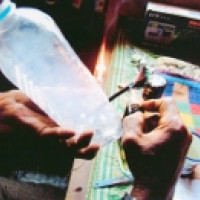
Amphetamine Type Stimulants and Harm Reduction Experiences from Myanmar, Thailand and Southern China
Topics
Regions
Little is known about the methamphetamine market in East and Southeast Asia, but there are strong indications that the situation is deteriorating with substances becoming stronger, methods of use more harmful and the number of users steadily increasing. There is an urgent need for donors and governments to introduce effective harm reduction measures.

Problematic use of amphetamine-type stimulants (ATS) has become a significant health and social problem in East and Southeast Asia, in particular the use of methamphetamine, the most potent amphetamine derivative and most widely used substance in the region. According to the United Nations Office on Drugs and Crime (UNODC), East and Southeast Asia have one of the most established methamphetamine markets in the world displacing traditionally plant-based drugs such as heroin, opium and cannabis.
ATS use is associated with a range of communicable diseases such as HIV, hepatitis B and C infections and other sexually transmitted infections (STI), tuberculosis and mental health problems, in particular among vulnerable groups such as female sex workers and other workers in the entertainment/hospitality industry (clubs and casinos); youth (specifically among homeless, unemployed and incarcerated youth), and migrants. There is an urgent need to scale up prevention, treatment and harm reduction services in the region to avoid the further spread of these potentially life-threatening infections.
KEY POINTS
• Problematic use ATS has become a significant health and social problem in East and Southeast Asia. ATS use is associated with potentially life-threatening communicable diseases in particular among vulnerable groups such as female sex workers, youth and migrants.
• Incarceration of ATS users in compulsory drug treatment/detention centres is ineffective. There is evidence of serious human rights abuses and relapse rates are extremely high upon release. Community-based interventions based on prevention, early intervention, harm reduction and treatment offer a more effective and humane alternative.
• Prevention, treatment and harm reduction strategies are in their initial phases. There is a lack of professional expertise and counselling training, and little experience in dealing with the psychosocial and mental health problems. There is a need to develop effective prevention, treatment and harm reduction measures that fit the cultural and socio-economic circumstances in the region.
• There is an urgent need for donors and governments to introduce harm reduction measures to counter the effects of rising methamphetamine use. Services are still focused on injecting heroin users as the main problem and have little to offer for ATS users. The earlier a comprehensive package of harm reduction measures for methamphetamine is introduced the better.
• More research is needed to understand ATS market and user trends, the negative impacts of law enforcement interventions on levels and patterns of use, as well as the chemical composition of the substances.
Pages: 12
More like this
-
The urgent next steps in ATS and Harm reduction Findings from a workshop in Burma/Myanmar
Publication date: