
Ending Burma’s Conflict Cycle? Prospects for Ethnic Peace
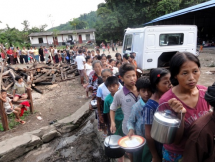
Peace does not just involve the government and ethnic armed opposition groups, but involves all of Burma's citizens.
If you have trouble viewing this publication in PDF, please kindly use an alternative PDF viewer.
Since the end of 2011, Burma/Myanmar’s government has held peace talks with all major ethnic armed opposition groups in the country. The talks represent a much needed change from the failed ethnic policies of the last decades. They are a first important step by the new military-backed Thein Sein government, which came into power in March 2011, towards achieving national reconciliation and peace in the country, which has been divided by civil war since independence in 1948. By February 2012, initial peace agreements had been reached with most ethnic armed opposition groups.
However, in order to end the civil war and achieve true ethnic peace, the current talks must move beyond establishing new cease-fires. It is vital that the process is followed by an inclusive political dialogue at the national level, and that key ethnic grievances and aspirations are addressed. Failure to do so will undermine the current reform process in the country and lead to a continuation of Burma’s cycle of conflict.
Conclusions and Recommendations
- The new cease-fire talks initiated by the Thein Sein government are a significant break with the failed ethnic policies of the past and should be welcomed. However, the legacy of decades of war and oppression has created deep mistrust among different ethnic nationality communities, and ethnic conflict cannot be solved overnight.
- A halt to all offensive military operations and human rights abuses against local civilians must be introduced and maintained.
- The government has promised ethnic peace talks at the national level, but has yet to provide details on the process or set out a timetable. In order to end the conflict and to achieve true ethnic peace, the current talks must move beyond simply establishing new cease-fires.
- It is vital that the process towards ethnic peace and justice is sustained by political dialogue at the national level, and that key ethnic grievances and aspirations are addressed.
- There are concerns about economic development in the conflict zones and ethnic borderlands as a follow-up to the peace agreements, as events and models in the past caused damage to the environment and local livelihoods, generating further grievances. Failures from the past must be identified and addressed.
- Peace must be understood as an overarching national issue, which concerns citizens of all ethnic groups in the country, including the Burman majority.
Pages: 16