
Coca Leaf
The coca leaf has been chewed and brewed for tea for centuries in the Andean region – and does not cause any harm and is probably beneficial to human health. Yet the leaf is treated as if it is comparable to cocaine or heroin. The inclusion of the coca leaf in the list of narcotic drugs raises questions about the logic behind the current system of classification under the UN conventions. TNI believes we can find a more culturally sensitive approach to plants with psychoactive or mildly stimulant properties, and should distinguish more between problematic, recreational and traditional uses of psychoactive substances.
Latest
-
Publication date:
Featured
-
Erythroxylum Coca. Los Confundidos A Documentary
Publication date: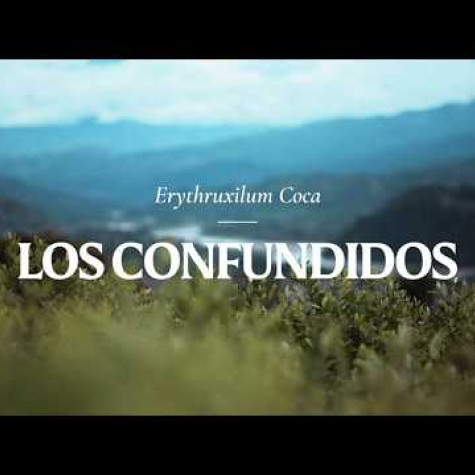
-
The UN Coca Leaf Review and Indigenous Peoples’ Rights: Can the WHO Meet the Moment? Coca Chronicles #5Publication date:
-
WHO Critical Review of Coca Leaf A Comprehensive OverviewPublication date:
-
Publication date:


Key documents
-
WHO Critical Review of Coca Leaf A Comprehensive OverviewPublication date:
-
Coca leaf: Myths and Reality A beginner's guide to CocaPublication date:
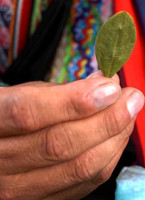
-
Publication date:
-
Publication date:


Coca Chronicles: Monitoring the UN Coca Review
-
Coca Chronicles: Monitoring the UN Coca Review Issue #1: Bolivia Challenges UN Coca Leaf BanPublication date:
-
Coca Chronicles: Monitoring the UN Coca Review Issue #2: Coca Leaf Progress at the UN Commission on Narcotic DrugsPublication date:
-
Coca Chronicles Issue #3 A Conversation on Coca with Wade DavisPublication date:
-
Conflicted over Coca Issue #4: Andean-Amazonian Indigenous Peoples see promise and peril in lifting coca banPublication date:
-
The UN Coca Leaf Review and Indigenous Peoples’ Rights: Can the WHO Meet the Moment? Coca Chronicles #5Publication date:
Experts
-
Martin Jelsma Associate Researcher

-
Pien Metaal Senior Project Officer