The Transnational Institute
Latest
Featured
-
Celebrating Susan George Reflecting on a life of scholar activism
Online event by- ATTAC France
- Corporate Europe Observatory (CEO)
- Transnational Institute
Event date and time: - CETEvent location: ZOOM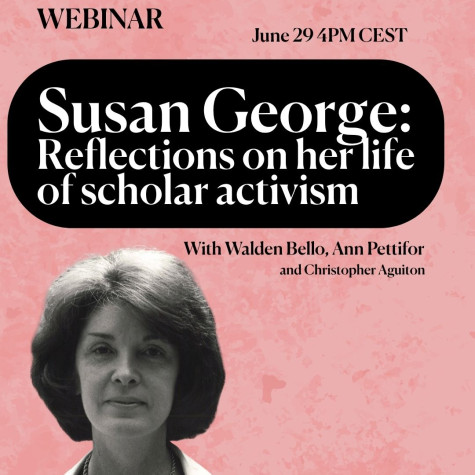
-
Essential Concepts of Land Politics An A-Z GuidePublication date:
-
Towards Palestinian Liberation Global Perspectives on Anti-Colonial Resistance and SolidarityPublication date:

-
Publication date:


Free Palestine
Stop the genocide
In solidarity with the Palestinian people
Explore our content to learn, amplify, and take action for justice in Palestine.

Palestine Liberation series
View seriesThese voices highlight the Palestinian struggle’s deep anti-colonial history and its global echoes, calling for stronger solidarity. No one is free until Palestine is free.
-
Yalla, Yalla, Abya Yala Reaching out to Palestine from Latin America in times of genocidePublication date:
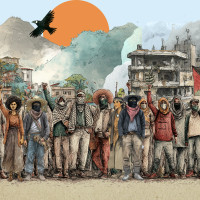
-
From the Favelas and Rural Brazil to Gaza How militarism and greenwashing shape relations, resistance, and solidarity with Palestine in BrazilPublication date:
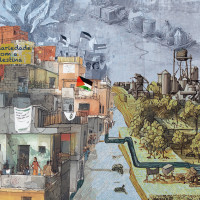
-
Publication date:
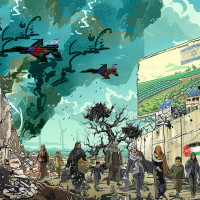
-
Framing Palestine Israel, the Gulf states, and American power in the Middle EastPublication date:
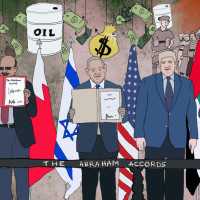
-
From Global Anti-Imperialism to the Dandelion Fighters China’s Solidarity with Palestine from 1950 to 2024Publication date:
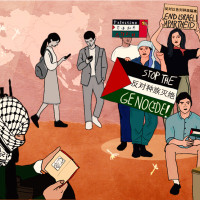


Myanmar in Crisis: A Nation Trapped in a Disaster Loop
As Myanmar reels from yet another catastrophe, the military regime’s rare plea for international aid is met with deep skepticism. With over four million displaced, ongoing resistance, and relentless attacks on civilians, the people of Myanmar find themselves abandoned, left to survive on their own. Meanwhile, global powers weigh their interests, and the military continues its stranglehold on humanitarian relief.
What does this mean for Myanmar’s future? And is there any hope amid the chaos? Read the latest on Myanmar’s unfolding crisis.

Latest on Myanmar
Myanmar in FocusThese Myanmar commentaries offer sharp insight into the pressing challenges facing the country and its peoples.
-
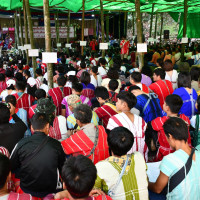
Reflections on the newly-declared Pawklo Indigenous Stewardship Territory A Commentary by Hsar Doe Doh Moo*Publication date:

-
Myanmar’s Humanitarian Situation and the Path Forward A Commentary by Myanmar Civil Society Organisations*Publication date:
-
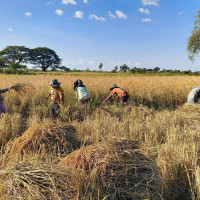
The Voice of Mon Farmers Struggling for LifePublication date:
-
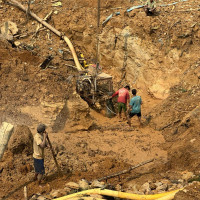
Kachin's Contested Landscapes Farming, Mining and the Double Bind of SurvivalPublication date:
-
The Deepening Labor Crisis and Myanmar Election A Myanmar Commentary by Su Latt Phyu*Publication date:
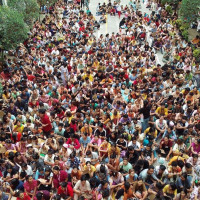


WHO Critical Review of Coca Leaf
Nearly 75 years after the United Nations called for the abolition of coca leaf chewing, the World Health Organization (WHO), at Bolivia’s initiative and supported by Colombia, has conducted a ‘critical review’ to reassess if coca is appropriately scheduled in the 1961 UN Single Convention on Narcotic Drugs.
Here you can find all relevant information and documentation related to this review.

Transnational Institute
Putting ideas into movement since 1974
The Transnational Institute (TNI) is an international research and advocacy institute committed to building a just, democratic, and sustainable planet. For over 50 years, TNI has served as a unique nexus between social movements, engaged scholars, and policymakers.

Publications
All publicationsTNI has a proud history of being at the cutting edge of analysis, research and activism on critical global issues.
-
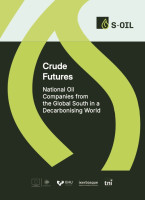
Crude Futures National Oil Companies from the Global South in a Decarbonising WorldPublication date:
-
Essential Concepts of Land Politics An A-Z GuidePublication date:
-
Towards Palestinian Liberation Global Perspectives on Anti-Colonial Resistance and SolidarityPublication date:
-
Tunisia’s Green Industrial Policy Between Renewed Dependency and the Imperative of SovereigntyPublication date:

-
Border Labs How Universities Power Europe’s Border RegimePublication date:


Ideas into Movement
50 years of striding for global peace, equity and democracy.
Support the Transnational Institute in its mission for global justice, democracy, and equality. Your donation helps expose power, amplify grassroots voices, and drive systemic change.

Podcasts
All PodcastsLet us introduce you to some of the fascinating people we work with to help you make sense of the world’s most complex challenges.
-
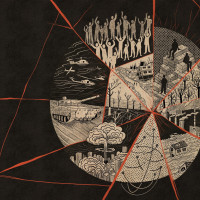
A Fractured World Reflections on Power, Polarity and PolycrisisPublication date:
-
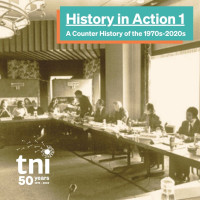
History in Action - Part 1 1970-1990 - A counter history by the Transnational InstitutePublication date:
-
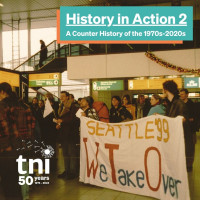
History in Action - Part 2 1990-2000 - A counter history by the Transnational InstitutePublication date:
-
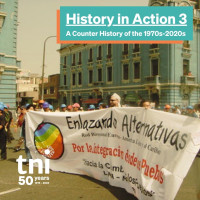
History in Action - Part 3 2000-2008 - A counter history by the Transnational InstitutePublication date:
-
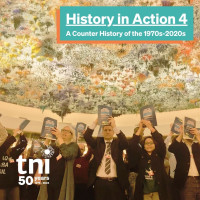
History in Action - Part 4 2008-2020 - A counter history by the Transnational InstitutePublication date:


Longreads
All longreadsIn-depth analysis and essays on a variety of interesting topics.
-
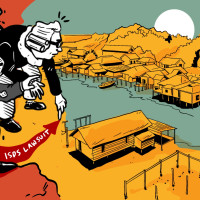
Unpacking the ASEAN–Canada FTA Negotiation Investor Lawsuits Endanger Climate JusticePublication date:
-
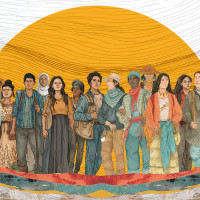
Towards a Bandung de los Pueblos Multilateralism, corporate power, and the building of a Global South FrontPublication date:
-
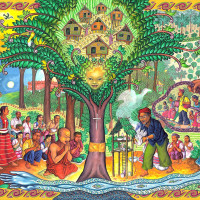
ICARRD+20 and the emerging global coalition behind the 4Rs Land Redistribution, Recognition, Restitution and RegulationPublication date:
-
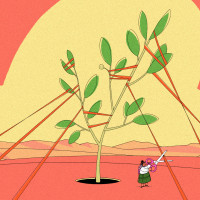
Coca Chronicles: Coca review denouement Issue #7: The UN drug scheduling system in disputePublication date:


Achievements in 2024
For 50 years, TNI has worked to catalyse transformative change. In 2024, together with global allies, we demonstrated what real alternatives look like and how to achieve them.
Our energy democracy work is gaining ground, challenging green colonialism and unjust transitions. We helped advance a new vision for trade and investment justice through the 2024 Entebbe Declaration, and continue to push back against corporate-driven systems like the Energy Charter Treaty.
In a time of rising militarisation and digital capitalism, TNI is building bridges between struggles—from Palestine to Myanmar, from climate justice to AI governance. As we marked our 50th anniversary, we reaffirmed our commitment to internationalism and solidarity to shape a just, democratic and peaceful future.

Videos
See videosHighlights from our YouTube Channel.
-
Erythroxylum Coca. Los Confundidos A DocumentaryPublication date:
-
And Yet We Exist // Pero Sí Existimos A DocumentaryPublication date: