
The rise of Chile’s popular pharmacies From local public ownership innovation to a nationwide policy
Topics
Regions
Chile’s ‘popular pharmacies’ began as a bold local experiment in Recoleta in 2015 and grew into a nationwide movement. They challenge the country’s highly privatised pharmaceutical market and offer a public alternative to access affordable medicine. By using public procurement to cut out retail mark-ups, these municipally run pharmacies slashed medicine prices by up to 68%, advancing health care as a right for all. Backed by strong citizen demand, political coordination between public institutions, and legal reforms, the model expanded to 177 pharmacies across Chile. The story reveals how public ownership, local innovation and grassroots pressure can stand up against Big Pharma and deliver fairer access to essential medicines.

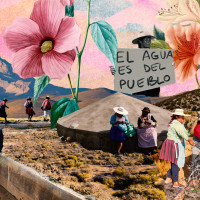
Illustration by Fourate Chahal El Rekaby
Introduction
In Chile, municipally owned and managed pharmacies offer a public alternative to the highly concentrated, weakly regulated private pharmacy market, where three retail chains dominate prices and access. The model was pioneered in Recoleta in 2015, when the municipality created the first Farmacia Popular in response to the high out-of-pocket cost of medicines. The Recoleta pharmacy is a municipal public service authorised by the Institute of Public Health, supplying medicines exclusively to registered residents and sourcing drugs through bulk, demand-driven procurement – primarily via the national public procurement agency, Central de Abastecimiento del Sistema Nacional de Servicios de Salud (CENABAST) – rather than through commercial distributors (Pañez Pinto, 2020). This procurement strategy enables the municipality to eliminate retail margins and transfer savings directly to users, resulting in price reductions of 64% to 68% compared to private pharmacies (Atal, Cuesta, González & Otero, 2024).
Beyond price regulation, popular pharmacies embody a broader logic of social solidarity, incorporating targeted subsidies for lower-income residents and reframing access to medicines as a collective right rather than an individual market transaction. As researchers like Gonnet, Maillet and Aynol (2025) have pointed out, the Recoleta experience emerged through a process of local policy innovation driven by municipal leadership and technically skilled middle-level officials and subsequently diffused across the country. While the model does not dismantle Chile’s private pharmaceutical market, it represents a concrete form of local public service delivery that demonstrates municipalities’ capacity to partially intervene in the neoliberal health market through institutional innovation and multilevel collaboration.
Recoleta’s experience was a policy innovation that combined coordination between national and local governments to expand the role of public services in the provision of medicines, in order to effectively deliver on citizens’ health rights. Since the model was first introduced, the local innovation has evolved into a national policy trend. According to CENABAST (2026), there are currently 177 popular or communal pharmacies operating across the country, alongside more than 1,000 independent private pharmacies that acquire medicines through CENABAST. Yet existing research has paid little attention to the factors that enabled this growth.
In this long read, we examine the expansion of popular pharmacies, the process through which they were institutionalised, and the factors that help explain their spread and endurance. Our analysis draws on publicly available documents, interviews conducted with key stakeholders from national and local agencies, and an original dataset on popular and citizen pharmacies compiled from CENABAST records.
The article proceeds as follows. First, we outline the origin of the popular pharmacy model, its initial design, and the expansion of the system nationally. Second, we examine the critical factors that explain their national diffusion, with particular emphasis on social support, cross-partisan political backing, institutionalisation, and policy resilience. We conclude by reflecting on the new challenges and policy innovations that popular pharmacies pose for rethinking public provision in highly marketised health systems.
The national expansion of the popular pharmacies model
From local innovation to national transformation
Up until 2015, Chile’s deep-seated neoliberalism was strongly felt among citizens when it came to access to medicines. Rooted in August Pinochet’s dictatorship (1973–1990), for decades neoliberal reforms were implemented in many areas of social life (such as education, pensions, social security and health) through radical processes of privatisation. This was evident in Chile’s medicinal drug provision industry, with exorbitant prices and limited availability of medication, especially for chronic illnesses and in low-income parts of the country. Behind these problems was a highly concentrated and weakly regulated private pharmacy industry in which three chains – Cruz Verde, Salcobrand and Farmacias Ahumada – dominated the market. These large chains controlled 80% of the market, while independent pharmacies held 20% (FNE, 2020).
By the 2000s, various events fuelled widespread discontent with the private provision of medicines. First, the high cost of medicine for chronic illnesses became a prominent public concern: certain medications for cancer and some rare diseases were simply unattainable (either because of high prices or lack of supply) in both public and private pharmacies. This had led several practices – often informally encouraged by national authorities – to obtain these medicines individually. Some people went to the trouble and expense of travelling to Argentina to buy medicinal drugs that were not available, hard to obtain or two or three times more expensive in Chile.
The second event that increased dissatisfaction among citizens came in 2008, when the National Economic Prosecutor (Fiscalía Nacional Económica, or FNE) announced that the three main chains had established an illegal agreement to raise prices on more than 200 essential medications between 2007 and 2008. This collusion exposed how big business control over the provision of essential goods can harm people’s health and finances – and caused a major scandal. In 2012, the pharmacy chains were found guilty by the courts and sanctioned by the National Economic Prosecutor's Office, resulting in fines and a multimillion-dollar compensation process for affected consumers.
In 2015, the government intervened with partial solutions to the problems of costs and access to medicine. President Bachelet signed Bill No. 20.850, which established the National Fund for High-Cost Medicines. The Fund covers 100% of the cost of diagnoses and treatments for certain uncommon or cancer-related diseases, including medications and devices, ensuring access to expensive treatments that would otherwise be unattainable. This law set a precedent in the country, showing that the state could intervene and regulate the private pharmacy market (FNE, 2020).
Also in 2015, the municipality of Recoleta initiated the Popular Pharmacy initiative. This became the country’s first publicly owned pharmacy – authorised by the Institute of Public Health – that operates as a municipal public health service, supplying medicines exclusively to registered residents and procuring drugs through bulk, demand-driven procurement. Recoleta’s popular pharmacy obtained drugs mainly via CENABAST rather than through commercial distributors. This purchasing strategy enabled Recoleta to eliminate retail margins and pass on savings to users, resulting in price reductions of up to 68% compared to private pharmacies.
The Recoleta experience was highly successful and rapidly expanded across the country. The initiative has grown to 177 pharmacies operating across all regions of the country, with the support of the CENABAST (CENABAST, 2025). Figure 1 shows the nationwide spread of the popular pharmacy model and its evolution between 2024 and 2026. The capital, Santiago, stands out as the region with the most popular pharmacies and the fastest and stable growth in the country, with 41. Other urban regions with relatively high numbers and constant growth include Valparaíso (32), Biobío (20), O’Higgins (15) and Maule (12), suggesting that the initiative expanded more rapidly in densely populated urban regions in the country, with northern and southern peripheral and rural regions such as Arica y Parinacota, Los Ríos, Aysén, and Magallanes showing slower and fragile expansion, with fewer popular pharmacies. Another relevant trend is the continuity of pharmacies over time depending on their location. While in the urban regions of the centre and the south, municipalities consolidated their popular pharmacies, municipalities in the northern regions were vulnerable to policy discontinuity, showing a decrease in the number of popular pharmacies active in 2026 comparing to 2024.

Figure 1. Number and distribution of popular pharmacies in Chile, 2024 and 2026 | Source: Authors’ own elaboration, created with IA support, based on the CENABAST (2026) national dataset on popular pharmacies.
As we examine in the next section, the growth of popular pharmacies was made possible by favourable political conditions, including progressive victories in the 2016 municipal elections and subsequent administrations’ willingness to adopt the policy. It also relied on strong citizen demand as well as coordination between local and national policy-makers that facilitated policy diffusion, favoured its institutionalisation, and helped contain opposition from the pharmaceutical sector.
Institutionalisation and the CENABAST Law
A significant milestone in the expansion of popular pharmacies was the approval of Ley Nº 21.198 (Ley CENABAST) in December 2019. Against a backdrop of public concern over high medicine prices, collusion among pharmaceutical retail chains, and growing political pressure to strengthen state capacity in pharmaceutical markets, this law institutionalised the role that CENABAST was playing in supplying popular pharmacies and expanded its provision to private local pharmacies. The aim of the law was clear:
‘The objective of this bill is clear: to reduce the price that Chileans have to pay for medicines. This will be achieved by modifying the powers currently held by the Central National Supply Agency of the Health Services System (CENABAST). At present, the agency is only authorised to intermediate medicines and medical supplies for entities that are part of the National Health Services System. This bill seeks to expand that authority to private establishments legally authorised to dispense medicines—namely pharmacies and pharmaceutical stores—under specific conditions.’ (Piñera, 2019 p. 4 in Ley Nº 21.198)
Before the reform, CENABAST had functioned primarily as a centralised purchasing and logistics agency for the public health system, supplying medicines and medical products to public hospitals, primary health care centres and health services within the National Health System. Although CENABAST leveraged large-scale public procurement to negotiate lower prices for public providers, it lacked legal authority to act as an intermediary or supply medicines to private pharmacies, municipal pharmacies, or non-profit entities. It therefore had limited capacity to influence prices in the retail market where most households acquire medicines through out-of-pocket payments. As a result, the benefits of centralised procurement were confined mainly to the public sector, reinforcing a structural divide between public purchasing efficiencies and a largely unregulated private market.
The 2019 law explicitly enables non-profit entities – such as popular, communal and citizens’ pharmacies – to procure medicines through CENABAST. Popular pharmacies are owned and managed by municipalities, and they are able to sell products procured by CENABAST and products acquired directly from other providers to any person, at a price not higher than the maximum selling price defined by CENABAST. Under this framework, many popular pharmacies sell products to registered residents or people affiliated to the municipalities, at prices equal or lower that the CENABAST maximum price. In addition, municipalities often complement CENABAST's price regulation with targeted subsidies or solidarity-based pricing mechanisms, further reducing the cost of medicines.
The law also allows small local private pharmacies and big private chains to enter into supply agreements with CENABAST, on the condition of accepting a regulated maximum retail price for the medicines acquired this way. The maximum prices are set by an expert commission, ensuring that the efficiencies generated through public procurement are passed on to consumers rather than absorbed by pharmacies as additional profit. The CENABAST Law has proven to be an effective public policy instrument, generating savings of more than 65 billion CLP and reducing the price of certain medicines by more than 50% compared to the private retail market, improving access to medicines through more affordable prices for users (Ministerio de Salud, 2026).
The reform also strengthened transparency obligations and established a gradual implementation scheme. It established a phased entry process, giving priority initially to small, independent pharmacies and non-profit establishments, particularly those operating in underserved or highly concentrated local markets. Private pharmacies seeking to participate were required to apply formally, meet regulatory and sanitary requirements, and demonstrate compliance with transparency and reporting obligations. This gradual approach aimed to prevent abrupt market disruptions, manage operational capacity within CENABAST, and limit potential resistance from large pharmacy chains, while allowing the state to test and adjust the model over time. In practice, the phased implementation meant that not all private pharmacies gained access simultaneously, and that participation remained voluntary and conditional. These changes transformed CENABAST from an exclusive public-sector supply agency into a central policy instrument for moderating medicine prices and expanding access to affordable pharmaceuticals across the broader health system.
The 2019 reform had significant impacts on private local pharmacies’ and citizens’ access to medicine. The law allows local pharmacies to access cheaper supplies in larger volumes, and a provide more diverse catalogue of drugs, making them more sustainable and competitive and favouring their expansion in regions and municipalities with limited access to pharmacies. The reduction in investment costs and the diversification of products within local private pharmacies also mean more affordable medicine for consumers and easier access to a broader range of products that were previously limited to a small number of big pharmacies concentrated in wealthy districts. According to the Ministry of Health, the law has proven to be an effective public policy instrument, generating savings of more than 65 billion Chilean pesos and reducing the price of certain medicines by more than 50% compared to the private retail market, improving access to medicines through more affordable prices for users (Ministerio de Salud, 2026).
An officer from CENABAST interviewed for this article reflects on the impacts the law has had on equalising access to medicine across the country:
‘When this model began, more than 60 municipalities had no pharmacies at all. By contrast, a wealthy commune such as Providencia has around 200 pharmacies, with nearly 30 just between two of its main avenues. Today, the number of municipalities with no pharmacies at all has fallen to roughly 29. We are talking about around 170 pharmacies across approximately 150 municipalities, out of a total of 346 municipalities in Chile that now have popular pharmacies. This leads to a broader reflection and a recognition that not all municipalities in Chile are alike.’ (Participant 2, 2025)
Critical factors that enabled expansion
To explain the expansion of the policy, we analyse critical factors that help to account for its successful spread and institutionalisation. First, we examine the strong social support the policy received due to its immediate, tangible benefits and its capacity to address a widely shared problem affecting the general population. Second, we analyse the ability of local and national actors to innovate and to actively promote the institutionalisation of the policy. Finally, we examine the resilience of this policy innovation and its capacity to adapt to legal and political challenges over time.
Popular political support
The first factor explaining the expansion of popular pharmacies was citizens’ demand for them. In the immediate aftermath of the launch of Recoleta’s Farmacia Popular, people started asking for similar pharmacies in their municipalities across the country. The popular pharmacy was not only offering affordable access, but it also represented justice: not merely lower prices but ‘fair prices’.
The significant grassroots political support for popular pharmacies throughout the nation meant that mayors were pressured to establish them in their municipalities. Even if local authorities were not convinced by the initiative, many felt they had no choice, as people were demanding them. Popular pharmacies became the main topic in mayors’ encounters with residents, and there was a high level of organisation through local associations, such as petitions for popular pharmacies. This grassroots pressure became even more relevant as the 2016 municipal elections were coming up, and many local authorities understood that popular pharmacies were crucial for electoral support. Consequently, mayors across the country opened their version of a popular pharmacy. Many did not like the concept ‘popular’ and its association with the left, so they called them ‘citizen’, ‘communal’ or ‘municipal’ pharmacies; however, the model used was the same. As a consequence, in three years (2015–2017) the number of popular pharmacies went from one to approximately 40.
‘So, you can imagine what happened. Every single person in the municipality was asking for their own community pharmacy. Then the mayors told us, "I have to set up a community pharmacy because the people are asking for it." Additionally, for political reasons, all mayors – in a year of elections – installed a [popular] pharmacy.’ (Participant 2, 2025)
‘[Among] Mayors some wanted [popular pharmacies] and others did not. [However], they were so pressured by their constituents that they had no other choice. Now, they were very afraid of … the “popular” name. So, they called it Citizen Pharmacy, Municipal Pharmacy, Pharmacy. But the model was the same. We provided the technical and legal support.’ (Participant 1, 2025)
Coordination from bottom up and top down
A second factor explaining the expansion of popular pharmacies was the coordination between local and national innovation. Popular pharmacies initially emerged as a local policy innovation within a legal grey area: neither municipal legislation nor CENABAST’s statutory framework explicitly authorised municipalities to acquire medicines through CENABAST, nor did they clearly define CENABAST’s capacity to supply medicines to municipal pharmacies. At the same time, there were no explicit legal provisions prohibiting this practice.
Operating within this legal ambiguity required strong legal backing and close cooperation between local and national actors to ensure that the innovation was legally defensible and politically legitimate. In this context, the proactive role played by CENABAST and the Ministry of Health was crucial. Rather than acting as veto players, these institutions actively supported and defended the initiative, allowing it to move forward and consolidate.
The coordination was driven in part by shared policy objectives – most notably the goal of reducing drug prices – as well as widespread public indignation toward large pharmacy chains and a commitment to delivering immediate, visible solutions to a pressing social problem. In this sense, popular pharmacies aligned local innovation with national policy priorities, facilitating their transition from an isolated municipal experiment to a scalable national public policy.
One participant, a former municipal advisor of Recoleta involved in the original design, described this process as a form of ‘revolt of national bureaucracies’ that supported the policy and played a decisive role in enabling coordination and supporting policy diffusion:
‘I would say that popular pharmacies had a great deal to do with a revolt of middle-ranking state officials. They decided that this time they were going to say yes and look for ways to make it possible, because they did not dare to say no. Saying no would have been so unpopular that they had to find a way to say yes.’ (Participant 3, 2025)
This coordination consisted not only in supporting the policy, but also in actively seeking legal pathways to legitimise and protect the model, rather than blocking it through administrative or regulatory objections. By articulating legal arguments, sharing institutional expertise and signalling political endorsement, national actors reduced uncertainty for other municipalities considering creating their own popular pharmacies.
Finally, this multilevel coordination helped build a broad and resilient support network that combined citizens with local public servants and local and national institutions and authorities. This convergence of actors, interests and experience provided technical expertise and political protection, amplified social support, and lowered institutional barriers for other municipalities, many of which faced growing social pressure to replicate the model.
Building collective policy resilience
A third factor explaining the diffusion of popular pharmacies was the resilience of the policy and its capacity to resist and overcome political opposition from both political and economic elites. As participants explained, the national diffusion of the policy met with resistance and significant challenges. The primary sources of opposition came from pharmaceutical industry actors, large pharmacy chains, and segments of the political opposition. Because popular pharmacies initially emerged in a legal vacuum, their institutional foundations were fragile. Political opponents questioned the innovation’s legality and sought to block its spread. Participants described these dynamics as involving different forms of legal and administrative obstruction.
For example, to establish a pharmacy, municipalities must obtain approval from regional and national health authorities responsible for regulating and supervising the supply of medicines. This process requires meeting multiple formal requirements, such as maintaining a minimum stock of essential medicines, employing qualified pharmaceutical professionals, and operating for a specified number of hours. According to participants, opponents exerted pressure on Regional Health Secretariats (SEREMIs) to intensify inspections and apply these requirements more stringently to popular pharmacies.
One pivotal moment occurred in 2016, when the Municipality of Panguipulli submitted a formal request to the Contraloría General de la República seeking a legal opinion on whether municipalities could lawfully dispense medicines through pharmacies administered by the city or a municipal corporation. The request also addressed the possibility of operating such pharmacies with municipal funds and in coordination with CENABAST. This challenge formed part of a broader strategy of delegitimation, grounded in arguments that state intervention in medicine provision was illegal and violated the constitutional principles of subsidiarity and free market competition (RedPanguipulli, 2015).
The Contraloría responded that it is legally permissible for a municipality to sell medicines through the pharmacy of its municipal primary health care establishment, provided that the activity aims to facilitate access to medicines for public health purposes, operates without commercial profit, and complies with applicable regulatory and tariff norms (Contraloría General de la República, 2016). The ruling emphasised that such pharmacies must be administratively linked to municipal primary health care facilities and oriented toward improving access rather than generating revenue. The ruling affirmed the legal basis of popular pharmacies.
To counter these pressures, the Municipality of Recoleta developed and distributed a practical manual to guide other municipalities in creating popular pharmacies (Municipalidad de Recoleta, 2016; 2018). The manual systematised lessons learned from its experience and included technical guidance and detailed annexes outlining the legal foundations of the initiative, as well as the relevant Contraloría rulings. It functioned as a blueprint for municipalities seeking to replicate the model. In 2017, the Health Ministry also published a report called ‘Suggestions for popular pharmacies’ (Ministerio de Salud, 2018), which systematised the experience of creating and running Popular pharmacies, including best practices for each stage. As one participant, a former offer in the Health Minister, recalled:
‘I remember one occasion when we were discussing issues of access and authorisation. At the SEREMI level, people were saying that this would not go ahead, that popular pharmacies could not be authorised. Before a meeting, we had an encounter with the minister, and an official said, “Minister, look at what is happening with these popular pharmacies—we have to stop this immediately.” I asked for the floor and said, “Minister, we have neither the possibility nor any reason to stop this. This is a public policy that emerged from the grassroots and is fully complying with the law. On what grounds would we stop it?” She (the minister) was furious.’ (Participant 1, 2025)
Parliamentary debate
A key moment of contestation emerged during the parliamentary debate surrounding the CENABAST law. Opponents of the model in Congress argued that extending CENABAST intermediation to large pharmacy chains could unintentionally reinforce existing market concentration rather than correct it. Several legislators warned that dominant chains—already controlling close to 80% of the market—possessed structural advantages, such as logistics capacity, bargaining power and territorial coverage, that would allow them to capture a disproportionate share of the benefits of public procurement. They said that public purchasing power could end up subsidising oligopolistic actors, crowding out small and independent pharmacies, and undermining the reform’s pro-competition and equity objectives. A second, closely related critique focused on the access that big pharmacies would have to CENABAST services. Many members of parliament criticised CENABAST opening up to big pharmacies, especially those involved in illegal collusion.
Despite these concerns, the incorporation of local independent pharmacies, together with the gradual and limited inclusion of large pharmacy chains, ultimately broadened the base of political and economic support for the policy and made it increasingly consistent across party lines. On the one hand, the participation of local private pharmacies expanded the benefits of CENABAST procurement to thousands of establishments and consumers, increasing private-sector support. On the other hand, the cautious and progressive inclusion of large chains reduced political resistance and facilitated the policy’s diffusion and institutionalisation. As one participant reflects:
‘There was a great deal of effort, from across the political spectrum, to establish popular pharmacies, because the origin of this initiative is linked to out-of-pocket spending in Chile, which is very high for medicines. The problem is like a hydra with several heads, but one of those heads clearly has to do with the prices of medicines.’ (Participant 3, 2025)
Conclusion
The popular pharmacy model, which originated in Recoleta, represents a significant local policy innovation that successfully became a national model. This model aimed to confront Chile’s highly privatised, monopolistic and inefficient pharmaceutical system, providing a public local alternative that offered equitable access to basic medicines. The popular pharmacy model has significantly reduced and regulated medicine prices in Chile, alleviating household costs by offering more affordable, local alternatives. The model offered not merely lower prices but ‘fair prices’, challenging the dominance and abusive practices of large pharmaceutical chains, which historically concentrated supply and pushed prices up. Popular pharmacies entailed cooperation between national and local public institutions, providing cheaper medicines and reclaiming access to medicines as a collective right rather than an individual market transaction.
Additionally, the model provided an example of a successful local public ownership initiative that can sustain itself economically operating under tight budget constraints. These characteristics made the model attractive to local governments, both because of its social benefits and its economic viability, thereby strengthening relationships between citizens and municipal authorities.
The popular pharmacy model and the ways in which it evolved – including the CENABAST law – also provide important insights into the conditions that favour the growth and consolidation of local public ownership initiatives and the renewal of public solutions to market problems. We identified three particularly important lessons:
- First, citizens’ political support for fair prices and their organised pressure on local authorities to establish popular pharmacies was fundamental to spreading the model from Recoleta to other municipalities.
- Second, a coordinated innovation involving national and local institutions, in which bottom-up and top-down converged, delivered and sustained the model and overcame bureaucratic inertia and resistance.
- Finally, policy resilience in the face of opposition from large pharmacy chains and political parties was key to making the model transferable and sustainable to other municipalities.
Several important obstacles remain to transforming the pharmaceutical industry and consolidating a national system based on the popular pharmacy model. These challenges can be summarised in three main areas.
One key obstacle is that many citizens remain unaware of the various alternatives for accessing medicines, which include popular pharmacies and other forms of state provision within the public health system, as well as CENABAST medicines sold through independent and private pharmacies. However, medicines distributed through CENABAST still represent only 2.7% of total pharmaceutical retail sales in the country. Although the programme now reaches around 3,000 pharmacies nationwide, expanding access to a wider share of the market remains a major challenge. Part of the solution lies in designing policies that allow people to easily identify affordable alternatives when they need medication. Currently, many citizens only become aware of cheaper options once medicines become a major financial burden. CENABAST authorities argue that information does not reach people early enough to allow them to access lower-priced alternatives such as popular pharmacies or CENABAST-affiliated independent and private pharmacies. Furthermore, not all medicines are available in every participating pharmacy.
A second, closely connected, barrier is the territorial distribution of medicines. At present, there are more than 177 popular pharmacies operating across approximately 150 of Chile’s 346 municipalities. The model still faces the challenge of reaching the remaining 196 municipalities, many of which lack any pharmacy services. As participants highlighted, areas without private pharmacy alternatives tend to be poorer, more rural, and geographically isolated. Expanding popular pharmacies into areas where the market does not operate is therefore fundamental to improving access to health care and reducing territorial inequalities in Chile. However, this expansion requires adapting the model to municipalities with low population density and dispersed territories in ways that make implementation economically viable and logistically sustainable for local governments.
A third challenge involves extending the model into other areas of health care currently dominated by private markets and associated with high out-of-pocket costs for households. This occurred in the municipality of Valparaíso, which established a municipal dental clinic, an optical store, and its own laboratory for medical examinations. Although the Valparaíso experience has been relatively successful, similar initiatives have seen far more limited replication in other municipalities, despite their social relevance and strong demand for affordable health services among citizens.
Despite these challenges, the experience of popular pharmacies demonstrates the capacity of citizens, working in coordination with public institutions, to innovate and reclaim the role that local and national governments can play in the provision of social services. Certainly, the unequal conditions produced by Chile’s monopolistic pharmaceutical market created the political opportunity for public alternatives to emerge. However, it was the shared determination of citizens and public authorities to innovate and pursue institutional change that ultimately demonstrated that public institutions could address market failures and deliver fairer social outcomes. As one interviewee explained:
‘The lesson is that the strength or legitimacy of a public structure – in this case, a municipality – to improve people’s quality of life isn’t determined by the bureaucratic rules of its function. It’s determined by the legitimacy it has within the community. This legitimacy allows it to do more than what’s within its mandate. But of course, to do that, you have to be creative, you have to be brave ... But the opportunity is there.’ (Participant 3, 2025).
This essay is part of TNI’s Future is Public work, which aims to strengthen social movements to build affordable, democratic and better public services around the world. Their struggles and successes are tracked by Public Futures, the only evidence-based de-privatisation database in existence, which TNI has been developing with the University of Glasgow and Public Services International.
Public Futures currently features 40 popular pharmacies, the newer cases will be added to the database soon.
Credits
Camila Cea Moore, PhD (c) in Political Economy, Institute of the Americas, University College London. MSc in Development Studies, London School of Economics. Economist, University of Chile.
Héctor Ríos-Jara, PhD in Social Sciences, University College of London. Researcher at the Centre for Economic and Social Studies, Universidad Central de Chile.
References
Atal, J. P., Cuesta J., González, F. and Cristóbal Otero. (2024). The Economics of the Public Option: Evidence from Local Pharmaceutical Markets. American Economic Review 114 (3): 615–44. DOI: 10.1257/aer.20211547
CENABAST (2026). Base de datos Gestión de abastecimiento – Farmacias Comunales. Available in: https://www.cenabast.cl/gestion-de-abastecimiento-farmacias-comunales/
Contraloría General de la Républica (2016). Dictamen 013636N16. Municipalidades, Atribuciones Municipales, venta medicamentos, farmacia popular. https://www.contraloria.cl/buscadorpdf/dictamenes/013636N16/html
Fiscalía Nacional Económica (FNE). (2020). Estudio de Mercado sobre Medicamentos (EM03-2018) División Estudios de Mercado. Santiago, enero de 2020. https://www.fne.gob.cl/wp-content/uploads/2020/01/Informe-Final.pdf
Ley 21198. Autoriza la intermediación de medicamentes por parte de CENABAST a almacenes farmacéuticos, farmacias privadas y establecimientos de salud sin fines de lucro. https://www.bcn.cl/leychile/navegar?idNorma=1140791
Ministerio de Salud (2018). Recomendaciones para Farmacias Populares. Orientaciones en abastecimiento, vinculación con la atención primara en salud y uso racional de medicamentos. https://www.minsal.cl/wp-content/uploads/2015/09/Recomendaciones-Farmac…
Ministerio de Salud (2026). Análisis económico de los medicamentos incluidos en la Ley Cenabast. https://desal.minsal.cl/wp-content/uploads/2026/01/ANALISIS-ECONOMICO-DE-LOS-MEDICAMENTOS-INCLUIDOS-EN-LA-LEY-CENABAST.pdf#page=20.09
Municipalidad de Recolecta (2016). Manual para la creación de farmacias populares. https://www.recoletatransparente.cl/archivos_2022/sai/abril/MANUAL_CREACION_FARMACIA.pdf
Municipalidad de Recolecta (2018). Manual de Procedimientos Farmacia Municipal de Recoleta “Ricardo Silva Soto”. https://www.recoletatransparente.cl/archivos_2018/sai/noviembre/Manual%…
Osorio Gonnet, C., Maillet, A. & Aynol Gallardo, R. (2025). Policy innovation from local governments in the Global South: the case of Popular Pharmacy in Chile. Policy Sci 58, 581–600 . https://doi.org/10.1007/s11077-025-09585-6
Pañez Pinto, A. (2020). Rebuilding public ownership in Chile: Social practices of the Recoleta commune and challenges to overcoming neoliberalism. In S. Kishimoto, L. Steinfort, & O. Petitjean (Eds.), The future is public: Towards the democratic ownership of public services (pp. 127–137). Transnational Institute. https://www.tni.org/en/publication/the-future-is-public-democratic-ownership-of-public-services
RedPanguipulli (2025). Farmacias Populares: Panguipulli marca precedente al solicitar pronunciamiento de contraloría. https://redpanguipulli.cl/farmacias-populares-panguipulli-marca-precede…
More like this
-
Green Banking or Public Banks? The Choice between Profit-driven and Public-driven approaches to Climate FinancePublication date:

-
Writings on water democracy Public policies and community water management in Latin AmericaPublication date:
-
Beyond the limelight Poland’s municipal self-governance for democratic public servicesPublication date: