Safe Women and Healthy Communities
Regiones
During the 16 Days of Activism, we spotlight violence against women and gender-diverse people who use drugs in Myanmar, urging compassionate, rights-based drug policies and action to end stigma, discrimination and digital violence across communities.

Image credit: UNiTE / UN Women
The collective ‘16 Days of Activism’ campaign to ‘End Gender-based Violence against Women and Girls’ will take place from 25 November to 10 December 2025. This year’s global theme is “UNiTE to End Digital Violence against All Women and Girls”.
As Drug Policy Advocacy Group and allies, we would like to highlight the importance of continued actions to address this critical issue. Our campaign will focus on “Violence Against Women, including Gender Diverse People Who Use Drugs”, which causes major social, public health, justice and economic challenges across the world, and in Asia comprising Myanmar.
This year’s call for action was developed in accordance with recommendations from people and women who are most at risk of abuse and violence imposed by restrictive frameworks, adverse social norms and cultural standards. The following list includes crucial asks from marginalized communities of women/LGBTQ+ who use drugs, expressing their needs and challenges.
1. Acknowledging the link between drug use and violence
Drug policies and legal frameworks, particularly focusing on punitive action and prohibition, can have undesirable impacts related to violence against women/trans women who use drugs.
- Women/trans women who use drugs must be connected to health care, gender-based violence (GBV) services and protection systems that can safeguard them from violence.
- All people who use drugs must have access to harm reduction and other essential health services, which can help reduce possible domestic violence caused by problematic substance use.
2. Ending stigma and criminalization
Women/trans women who use drugs face dual stigmatization from the criminal justice system and broader society. In Asia, women who use drugs often encounter harsh punishments such as lengthy prison sentence due to consumption of drugs, and/or more commonly possession of any quantity of drugs. Furthermore, society impose stigma on women who use drugs as irresponsible mothers/daughters of the family. In fact, the impact of societal views and the criminal justice system regarding women who use drugs as “improper persons” or “offenders” pushes them away from seeking help and protection from violence and abuse.
- When formulating drug-related policies, it is essential to ensure that women who use drugs have access to safe, compassionate, and non-discriminatory services.
- Policies must also support and protect women who use drugs who experienced violence such as rape, sexual harassment, and loss of child custody.
- All violence against women and abuse in the criminal justice system must end.
- Protection mechanisms should be extended to other marginalised women, such as those doing sex work, rural women, and LGBTQ+ women.
- Decriminalization of drug use and possession for personal use, removal of sanctions and punishment, including ending mandatory treatment programs for all people who use drugs, is crucial.
3. Promoting health and social services
Women who use drugs, including LGBTQ+ women, need access to safe spaces, mental health support, voluntary drug treatment centers, and emergency services that help them protect from and escape violence.
- Promote peer-led awareness raising on drugs, gender/sexuality, health knowledge among women/trans women who use drugs.
- Advocate for the expansion of harm reduction services for women who use drugs, integrating comprehensive GBV services.
- Support the incorporation of sexual and reproductive health services with the harm reduction programs for young women/trans women who use drugs.
- Advocate for the development of voluntary drug treatment programs that are inclusive and accessible for women.
- Ensure legal and social protection of women who use drugs against violence from the criminal justice system.
4. Strengthening multi-sectoral collaboration
Preventing violence against women requires collaboration across all sectors.
- Women’s rights organizations, health service providers, policymakers, and affected communities must work together.
- Data on drug use and violence should be collected and analyzed to support evidence-based policy development.
- The drastic increase in the number of women in the criminal justice system is demanding gender specific approaches.
5. Raising Awareness and Mobilizing Communities
Public awareness of the connection between drug use and violence is crucial.
- Safe spaces should be created for open discussions and awareness programs about violence against women and LGBTQ+ women who use drugs.
6. Conclusion
As the Drug Policy Advocacy Group (DPAG) and local partners, we are committed to advocating for health-based, compassionate, and human-rights-oriented drug policies that protect women and LGBTQ+ women who use drugs from violence.
“Violence against all women, especially women who use drugs, is completely unacceptable!!”
The following #hashtags can be associated with “16-days campaign” posts on the social media.
- #EndViolenceAgainstWomen
- #SafeWWUDs
- #StopViolenceAgainstTransWomen
- #SafeCommunities
- #HealthBasedPolicies
Other related links to the campaigns are;
- EVAWUD 2025 campaign toolkit (Elimination of Violence Against Women Using Drugs) by WHRIN (Women Harm Reduction International Network) https://whrin.site/event/evawud-2025-campaign-toolkit/ for
- ‘Flip the Script’ campaign: https://bit.ly/4hTar59 by IDPC (International Drug Policy Consortium)
- ‘An effective and humane approach to drug policies’ by United Nations Human Rights Office of the High Commissioner (OHCHR) https://www.ohchr.org/en/stories/2025/04/effective-and-humane-approach-drug-policies
Creditos
Mas como esto
-
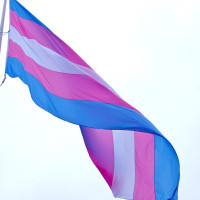
Rethinking gender justice Lessons from the transgender and HIV movementFecha de publicación:
-
Fecha de publicación:
-
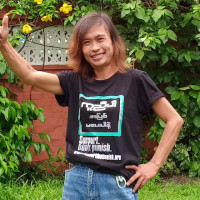
Karaoke Bars in Myanmar: Hubs of Injustice and Resilience A Myanmar Commentary by KiraFecha de publicación:

-
‘We are also family’ Reflections on building safe spaces across marginsFecha de publicación:
-
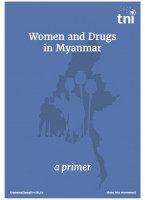
Women and Drugs in Myanmar A primerFecha de publicación: